Wrestling with Cancer: Empowering Survivors Through Fitness, Nutrition, and Community Support
In the face of cancer, survivors often find themselves wrestling not only with the physical effects of the disease but also with the emotional and mental challenges that accompany it. The journey through oncology is arduous, beginning from the moment of diagnosis. But what if we could reshape that journey into one of empowerment and resilience? Fitness and nutrition play pivotal roles in transforming survivorship, creating a robust environment where healing is supported by community, lifestyle changes, and education. Just as a wrestler prepares his body for the mat, cancer survivors can arm themselves with knowledge, wellness tips, and the strength found within the fitness community to aid in their recovery.
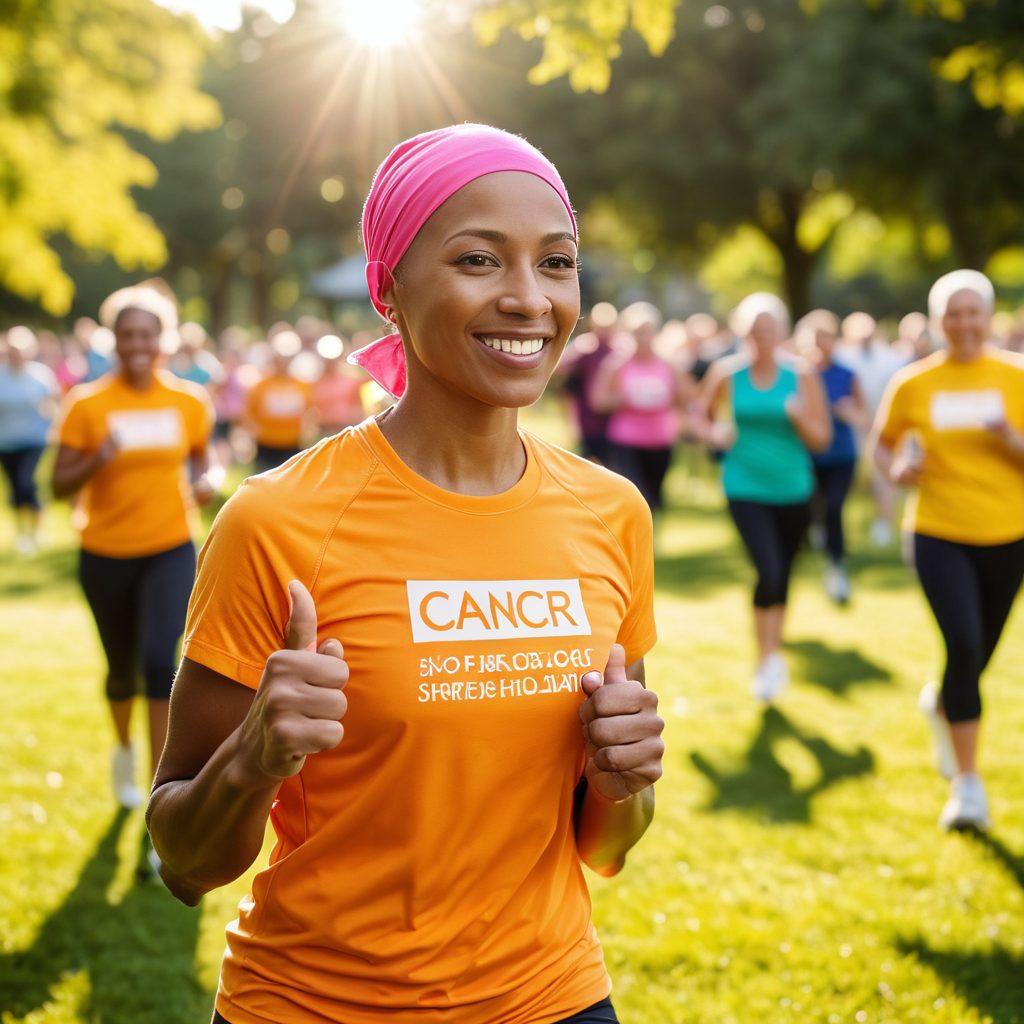
Imagine a room full of individuals, each with their own unique cancer story, sharing laughter and encouragement during fitness classes designed specifically for survivors. This vibrant setting not only fosters a sense of camaraderie but also offers access to valuable patient resources and cancer support groups. Whether it’s a gentle yoga class in a serene healthcare setting or a group bike ride through the park, these activities reinforce the importance of social support. As wellness advocate and cancer survivor Jane Doe once said, "Survivorship is not a destination; it’s an ongoing journey where each step we take leads us closer to vitality." Are you ready to take that first step on your healing journey?
Nutrition is another critical pillar for those wrestling with the aftermath of cancer. Nutrition impacts the body’s recovery and overall wellness, making it essential for survivors to embrace a well-balanced diet rich in fruits, vegetables, and whole grains. Research studies have shown that proper nutrition can not only help mitigate the symptoms of treatment but also fortify the immune system, crucial for combating potential recurrences and contributing to overall health. The journey of survivorship calls for proactive measures, and understanding how nutrition impacts tumor response can empower survivors to become their own best advocates in their healthcare. What choices can you make today that will nurture your body and spirit?
Furthermore, the world of fitness offers numerous opportunities for survivors to engage in therapy that enhances their physical, emotional, and mental health. From climbing the proverbial mountain of a challenging workout to celebrating small victories in the gym, every drop of sweat is a testament to resilience and determination. Clinical trials are exploring innovative therapies within oncology, but what about the foundational therapies we can access right now—like group classes and community fitness events? Fundraising efforts often focus on supporting cutting-edge research, but let’s not forget the lessons we can learn from the rich camaraderie of the fitness community. How could joining a local fitness group change your perspective and enhance your recovery journey?
Incorporating wellness into everyday life does not solely have to revolve around structured workouts or rigid diets; it thrives on the beauty of lifestyle changes and personal preferences. Engaging with community support and finding peer support can open doors to transforming health from the inside out. Whether through participation in an awareness campaign or simply gathering with fellow survivors to share experiences, each moment contributes to the broader narrative of survivorship. It brings healing, fosters hope, and ignites enduring friendships. What simple act of support could you extend to a fellow survivor today?
As we continue to engage in conversations surrounding cancer and survivorship, let us shine a light on the crucial role fitness and nutrition play in recovery. Let’s make health information accessible and actionable, enabling each survivor to reclaim their life with confidence and purpose. In the words of a famed wrestling coach, "In every battle, the only true defeat is the one we accept without trying to rise again." So, as we circle the mat of life, let’s challenge ourselves to wrestle against cancer with all the strength we can muster, for ourselves and for one another.
Building a Supportive Community: The Essential Network for Cancer Warriors
Imagine stepping into a wrestling ring, but instead of facing off against an opponent, you’re battling something much more formidable: cancer. For countless individuals, the journey through oncology can feel like a lonesome fight. However, what if I told you that there’s an essential network out there designed specifically for you—an empowering community that champions survivorship and lifts up every warrior in their campaign against tumors? Building a supportive community is pivotal in not only navigating diagnosis and treatment but also fostering a collective spirit that emphasizes patient advocacy and wellness. Let's explore how together, we can become each other's corner men and women in this ongoing battle.
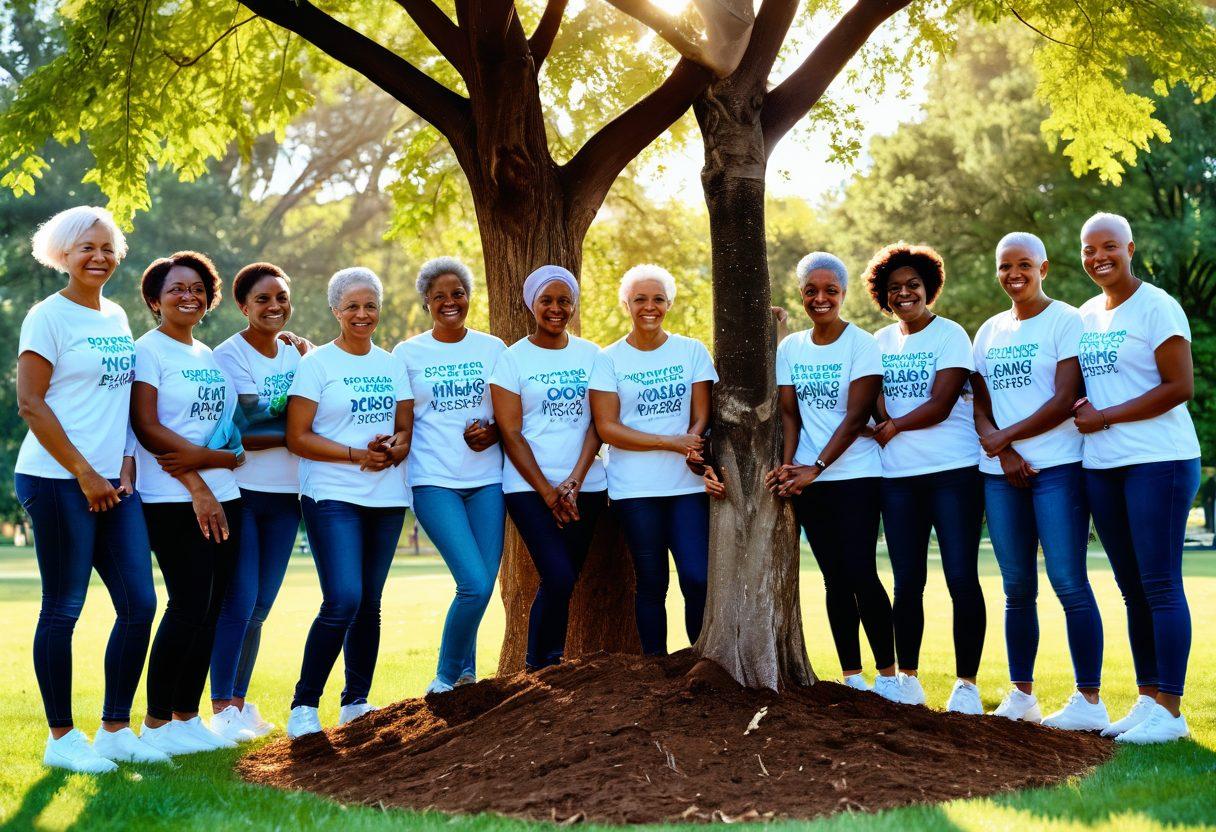
The heart of any great fight lies in its team, and cancer combatants will find that community support can significantly enhance their journey. Wellness doesn’t solely stem from medical interventions like clinical trials or immunotherapy; it thrives in environments where individuals share their stories, exchange wellness tips, and encourage lifestyle changes. By advocating for and participating in cancer support groups, patients can find peer support that’s invaluable. It’s through the laughter, tears, and shared experiences that cancer warriors can offset the isolation that often accompanies their diagnosis.
Picture this: a gathering of oncology warriors sharing insights about their symptoms, survival tactics, and even advice on nutrition. It's a place where vulnerability is welcomed, and camaraderie reigns. Education about preventive measures, post-treatment care, and ongoing research studies becomes a shared mission. When you create or engage in such environments, you’re not just participating in a medical blog discussion; you’re committing to building a fortress of support around yourself and others. As one survivor once said, 'Alone we can do so little; together we can do so much.'
Engagement in community support gives rise to numerous benefits, including improved mental health and emotional well-being. Studies indicate that individuals who participate in wellness initiatives or fundraising events related to cancer often report feeling a greater sense of purpose and connection. Whether it’s joining local wrestling events to raise awareness or simply participating in a community fitness class tailored for cancer survivors, every small step counts in building resilience. This network isn’t solely about treatment or symptoms; it’s about embracing life with gusto despite the odds stacked against us.
Finally, in understanding the essence of a supportive community, remember that it starts with outreach. Look for local organizations that prioritize education and provide patient resources. Start conversations with fellow warriors, attend workshops focusing on fitness and nutrition, and don't hesitate to voice your needs. Are you seeking information about alternative therapies or updates on the latest research? Your community is your ally; lean into it. The strength lies not just in individual resolve but in the collective spirit, as we rally together to foster an environment where each cancer warrior can thrive.
From Diagnosis to Empowerment: Navigating Cancer with Fitness and Support
When faced with a cancer diagnosis, the world can feel overwhelmingly dark. But what if that darkness could be illuminated by fitness, community support, and a dedication to wellness? Navigating cancer is not just about battling tumors and grappling with symptoms; it is a journey that can transform an individual into a resilient advocate for their own health. As we explore the intersection of oncology and fitness, we’ll discover empowering resources that help individuals reclaim their strength and vitality while fostering a supportive community.
Imagine the moment you first heard the words "you have cancer." It’s a shocking diagnosis that can leave anyone reeling. But what follows is crucial: how you respond. Embracing a proactive approach to your health can redefine your cancer journey. This is where fitness comes into play. Engaging in physical therapy and fitness can not only improve strength, but it also releases those feel-good endorphins, enhancing mental health and providing a natural antidote to the anxiety that often accompanies a cancer diagnosis. Isn't it incredible how movement can heal?
While medical treatments such as immunotherapy and chemotherapy are vital in fighting cancer, they often come with harsh side effects that can leave patients feeling depleted. This is where nutrition becomes a game-changer. Research studies have shown that adopting lifestyle changes, like a diet rich in whole, nutrient-dense foods, can help bolster the body during treatment, support the immune system, and improve overall wellness. Have you ever thought about the power of what’s on your plate? Nutrition is truly a cornerstone of survivorship. What if you spent more time focusing on the foods that fuel your body and help you thrive?
The path to empowerment does not run solo. Community support and patient advocacy work hand in hand with fitness and wellness. Cancer support groups create a sense of belonging that often alleviates feelings of isolation. Engaging with others who share similar experiences fosters peer support, which is crucial on tough days. Just like the collective energy at a wrestling event can elevate the spirit of the fighters, the right community can uplift you, too. Are you ready to join forces with others in your health journey?
Awareness campaigns and fundraising for cancer research are vital components of the fight against cancer. Each step taken in community fitness challenges or educational initiatives can help amplify the importance of early screening and preventive measures. Advocate for your health and encourage others to do the same. Let’s challenge the stigma and redefine cancer survivorship through education and holistic health. This journey is not just about resisting a diagnosis but creating a legacy of empowerment. So, what steps will you take today to embrace your wellness journey?